
HISTORY DEPARTMENT
Date: 30th of September, 2026.
Time: 10:30 AM
Venue: BCC Smart Room
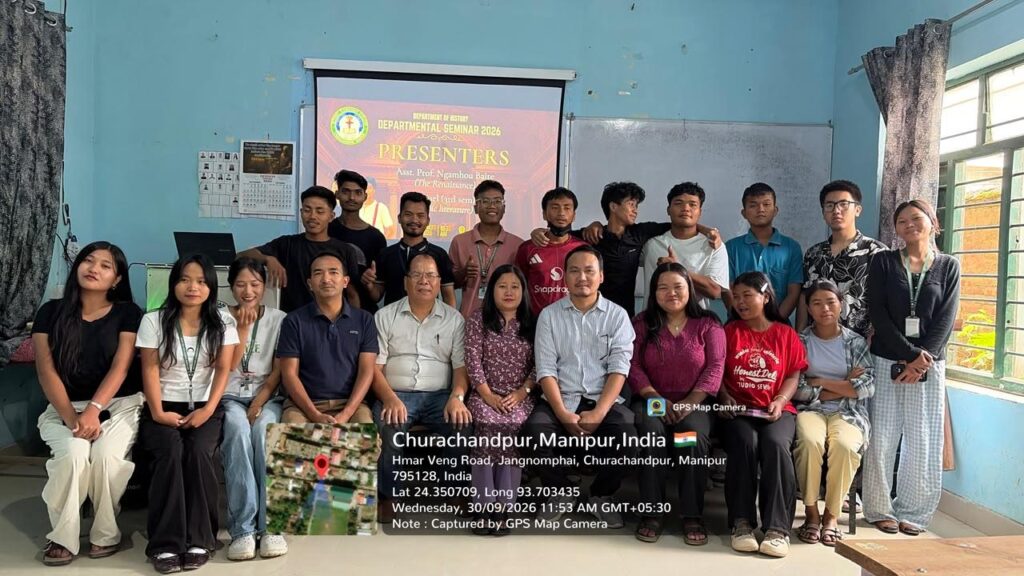
The Departmental Seminar 2026 was organised by the Department of History, Bethany Christian College, with the objective of providing students and faculty members an academic platform for sharing knowledge, developing presentation skills, and engaging with important themes in history and related areas of humanities
1. Introduction
The Department of History, Bethany Christian College, conducted its Departmental Seminar 2026 on 30 September 2026 at 10:30 AM in the BCC Smart Room. The seminar brought together faculty members, students, and members of the Internal Quality Assurance Cell (IQAC) for an academic programme featuring formal addresses, student participation, special performances, and scholarly presentations.
The programme was designed to encourage an academic and participatory environment in which students could express their ideas before an audience while also learning from faculty-led presentations. The seminar covered the themes of the Renaissance and Vedic literature, thereby introducing participants to two important areas of historical and cultural study.
2. Objectives of the Seminar
- To provide students with an opportunity to present academic topics before an audience.
- To promote interest in history, literature, culture, and interdisciplinary learning.
- To strengthen students’ communication, presentation, and critical-thinking skills.
- To encourage interaction between teachers and students in an academic setting.
- To create a platform for sharing knowledge and developing a culture of scholarly discussion within the department.
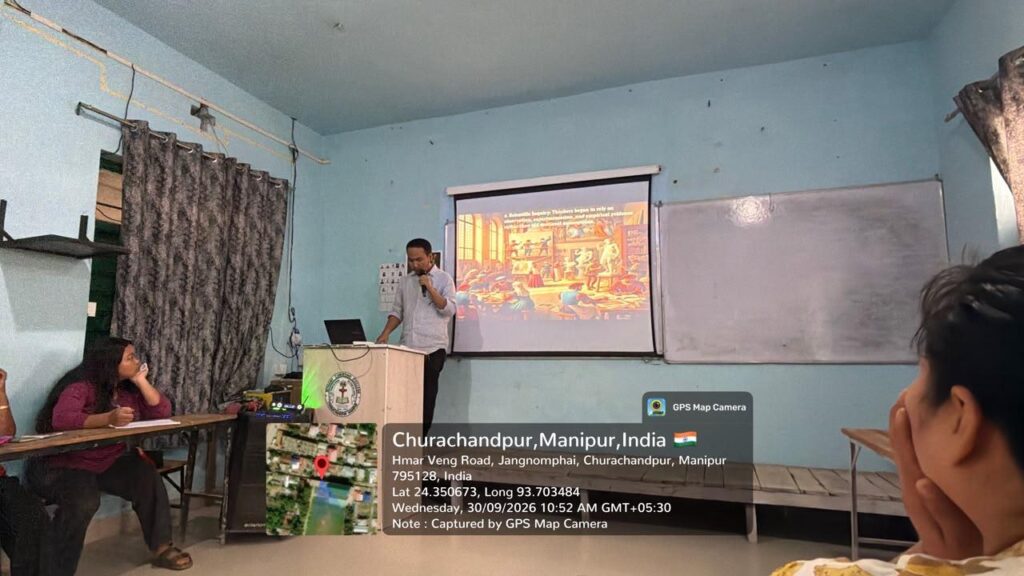
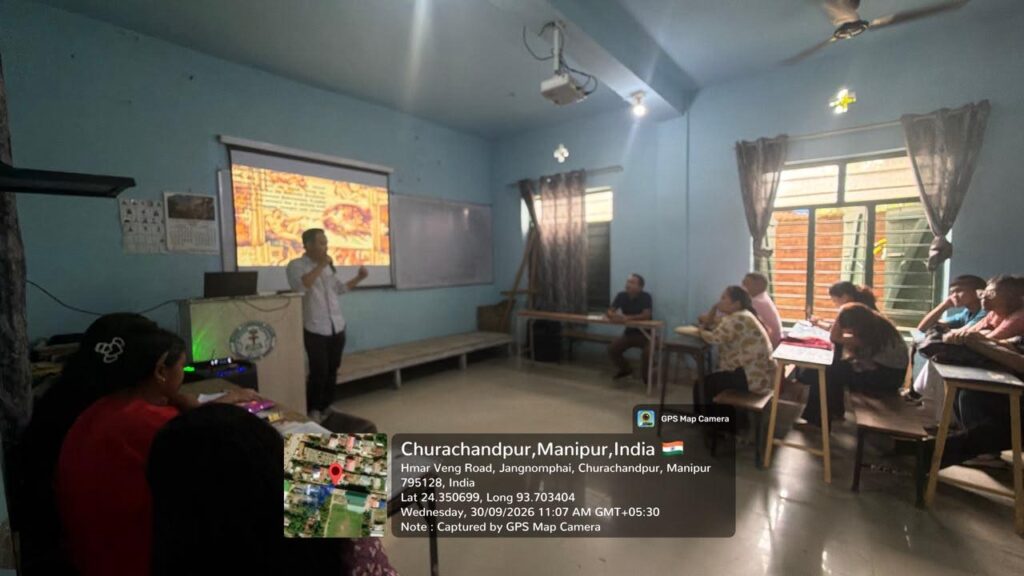
3. Programme Proceedings
The seminar followed the programme schedule prepared by the Department of History. The proceedings began with the formal opening of the programme and continued through welcome remarks, a special number, academic presentations, another special number, a speech by the IQAC, the vote of thanks, and the concluding remarks by the rapporteur.
| Sl. No. | Programme Item | Person Responsible |
| 1 | Compere | Ms. Lamneichong (3rd Semester) |
| 2 | Welcome Address | Mr. Nehminhao (3rd Semester) |
| 3 | Special Number | Ms. James (1st Semester) |
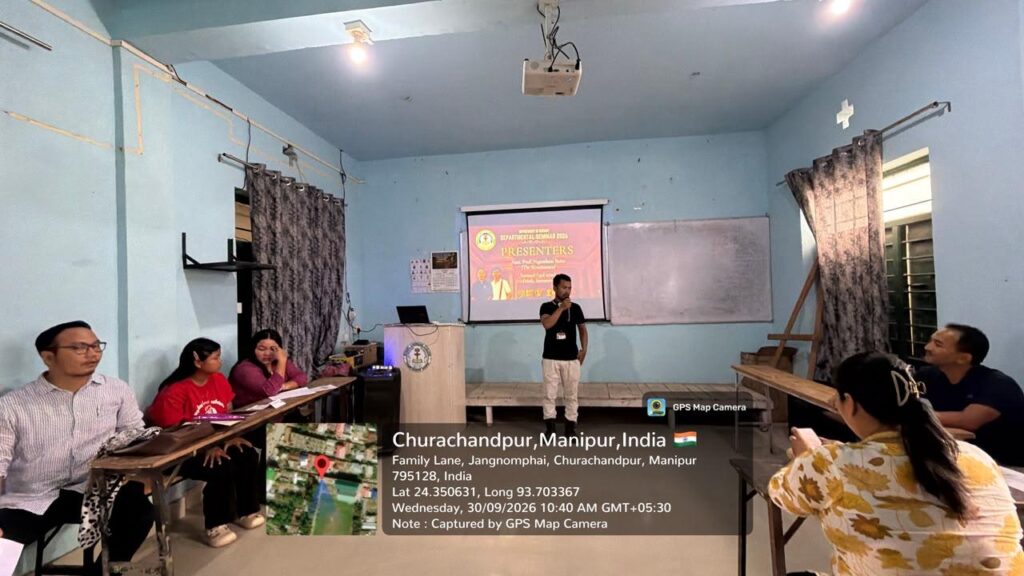
| 4 | Presentation I | Asst. Prof. Ngamhou Baite – The Renaissance |
| 5 | Presentation II | Samuel (3rd Semester) – Vedic Literature |
| 6 | Speech | IQAC |
| 7 | Vote of Thanks | Asst. Prof. Kimneilhing Haokip |
| 8 | Rapporteur | Ms. Jacintha (3rd Semester) |
4. Welcome and Opening Session
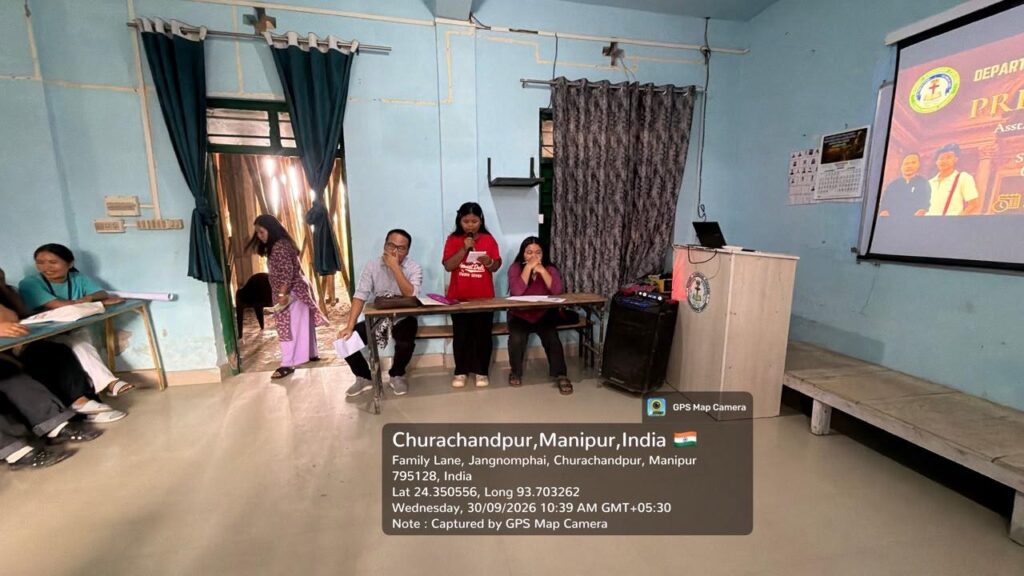
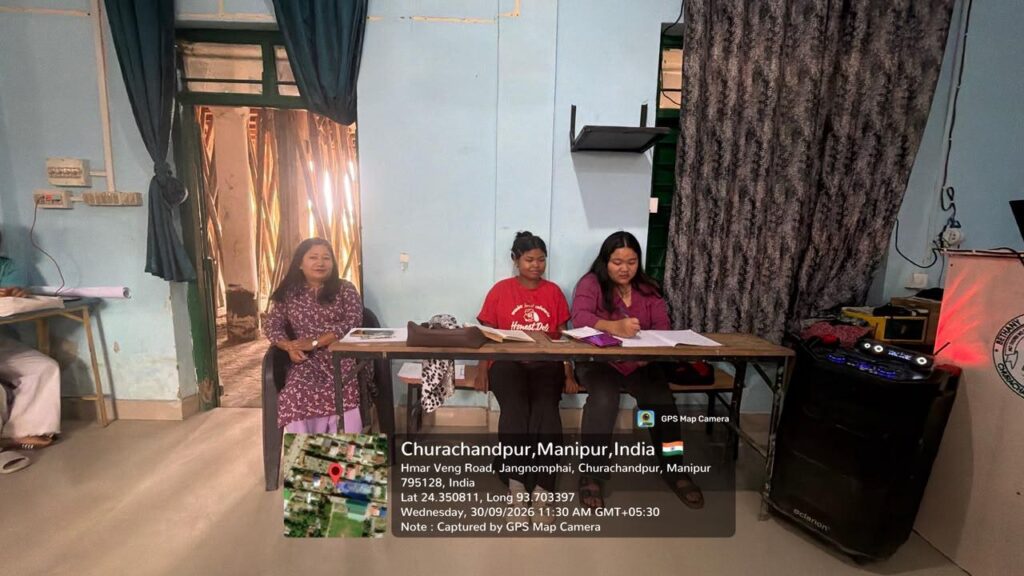
The programme was compered by Ms. Lamneichong of the 3rd Semester, who guided the audience through the different segments of the seminar. The welcome address was delivered by Mr. Nehminhao of the 3rd Semester. The welcome remarks established the purpose of the gathering and formally set the tone for the academic session.
A special number by Mr. James of the 1st Semester added a cultural and participatory dimension to the opening session, creating an engaging atmosphere before the academic presentations began.
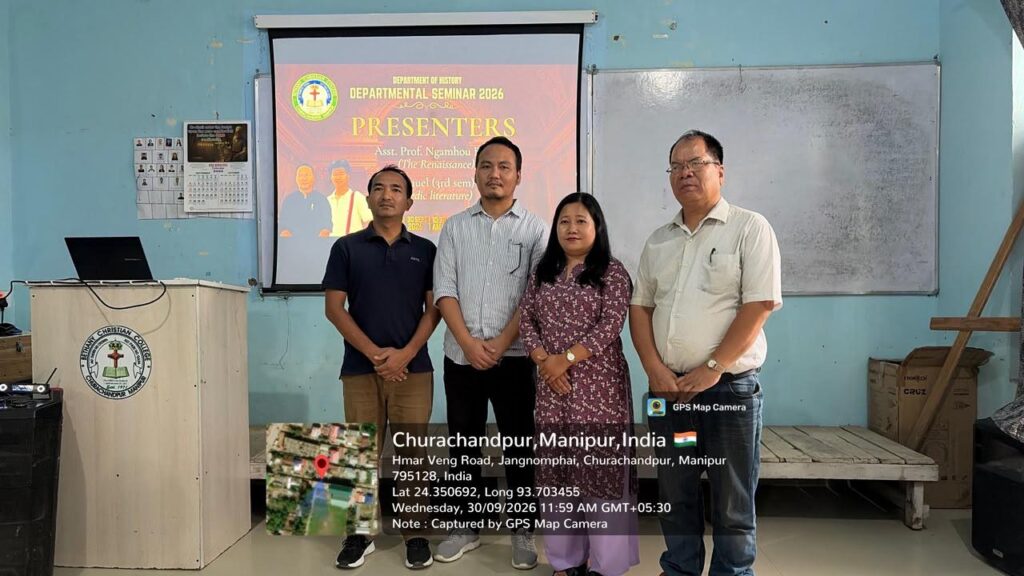
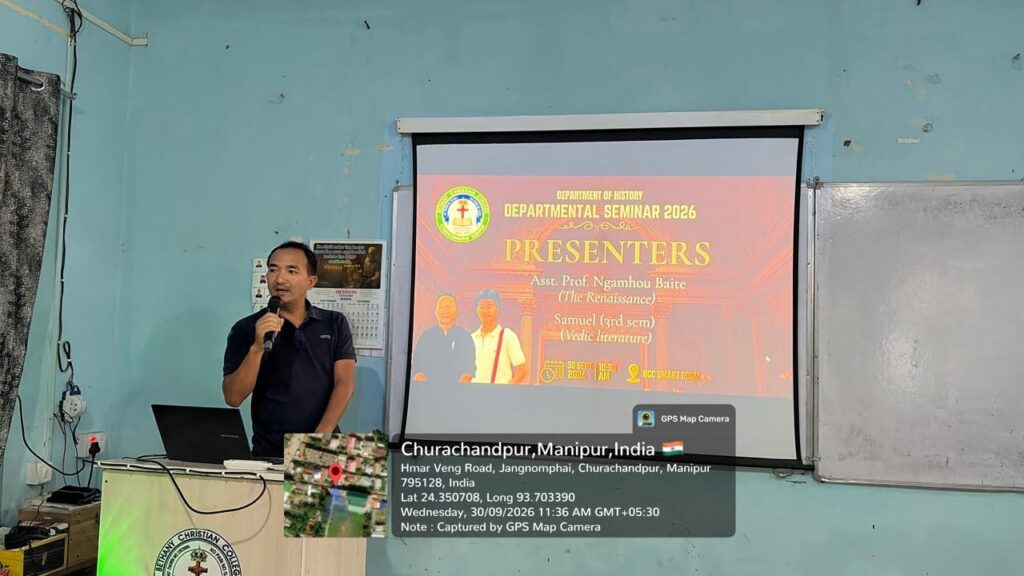
5. Academic Presentations
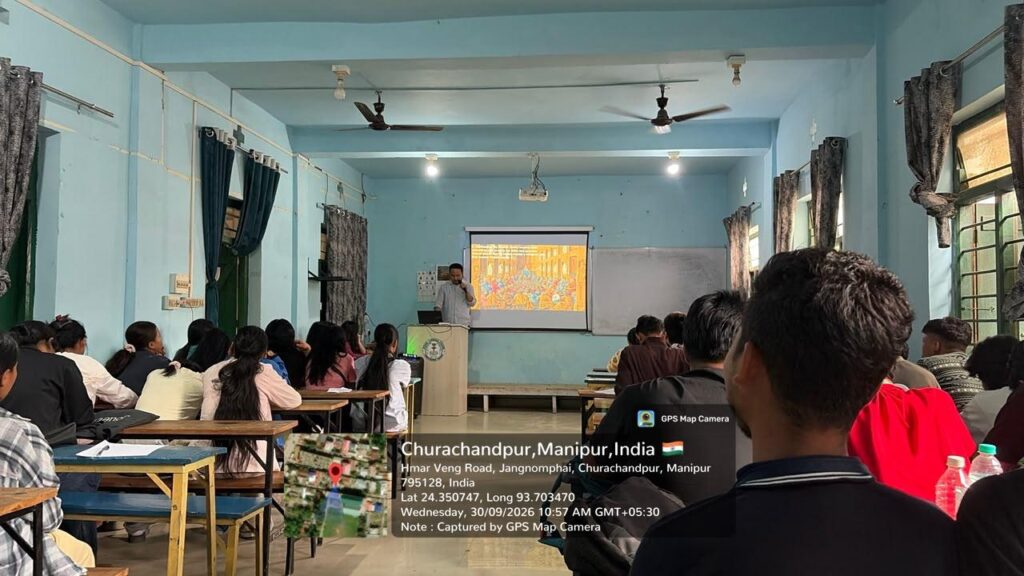
The central component of the seminar was the academic presentation session. Two presentations were scheduled, covering the Renaissance and Vedic literature.
5.1 Presentation on the Renaissance
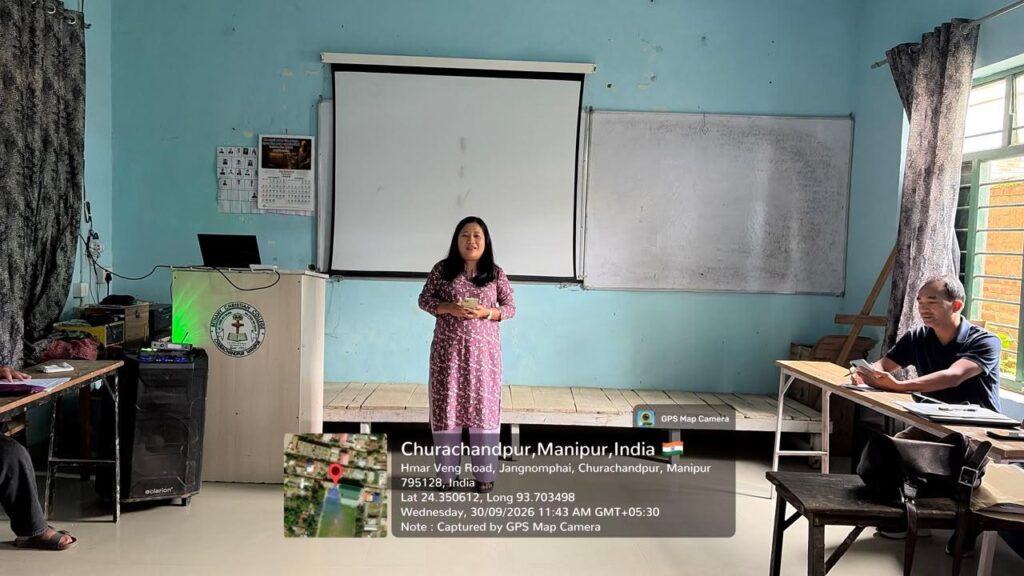
The first academic presentation was delivered by Asst. Prof. Ngamhou Baite on the topic ‘The Renaissance’. The presentation introduced the Renaissance as a major period of intellectual, cultural, artistic, and scholarly transformation. The topic provided an opportunity to consider changes in learning, literature, art, humanism, and the renewed engagement with classical knowledge that characterised Renaissance Europe. The presentation also highlighted the historical importance of the period in shaping later developments in European intellectual and cultural life.
5.2 Presentation on Vedic Literature
The second presentation was delivered by Mr. Samuel of the 3rd Semester on the topic ‘Vedic Literature’. The presentation focused on the importance of Vedic texts as sources for understanding early Indian intellectual and cultural traditions. The discussion introduced the audience to the literary and historical significance of the Vedic corpus and its relevance to the study of ancient Indian society, ideas, religious traditions, and cultural development.
6. Cultural and Institutional Contributions
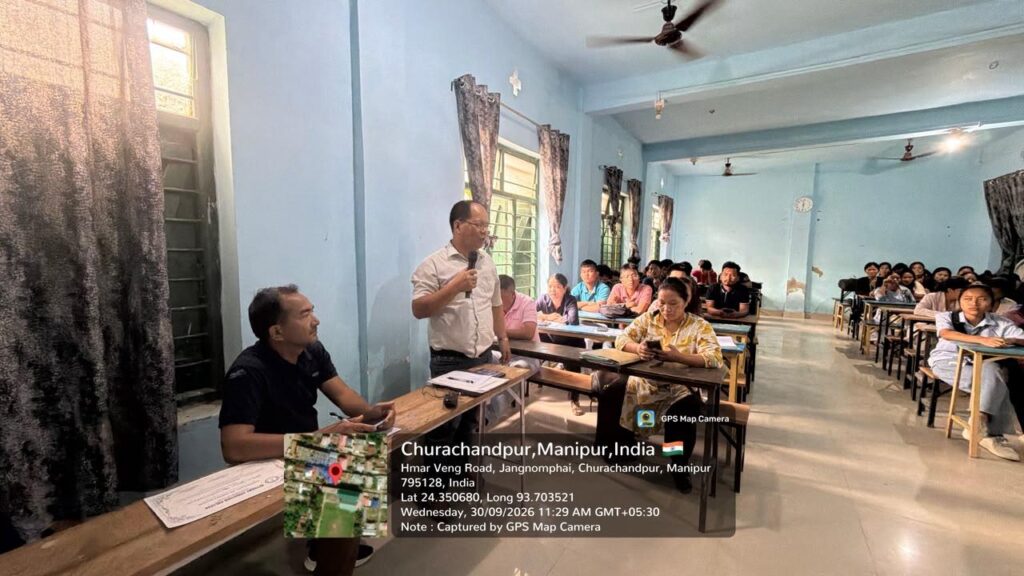
Following the academic presentations, a speech by the Internal Quality Assurance Cell (IQAC) Mr. Seikholal Haokip, Co-ordinator, IQAC formed another important part of the programme. The inclusion of IQAC emphasised the importance of quality-oriented academic practices, participation, and continuous improvement in institutional and departmental activities.
7. Vote of Thanks and Conclusion of the Programme
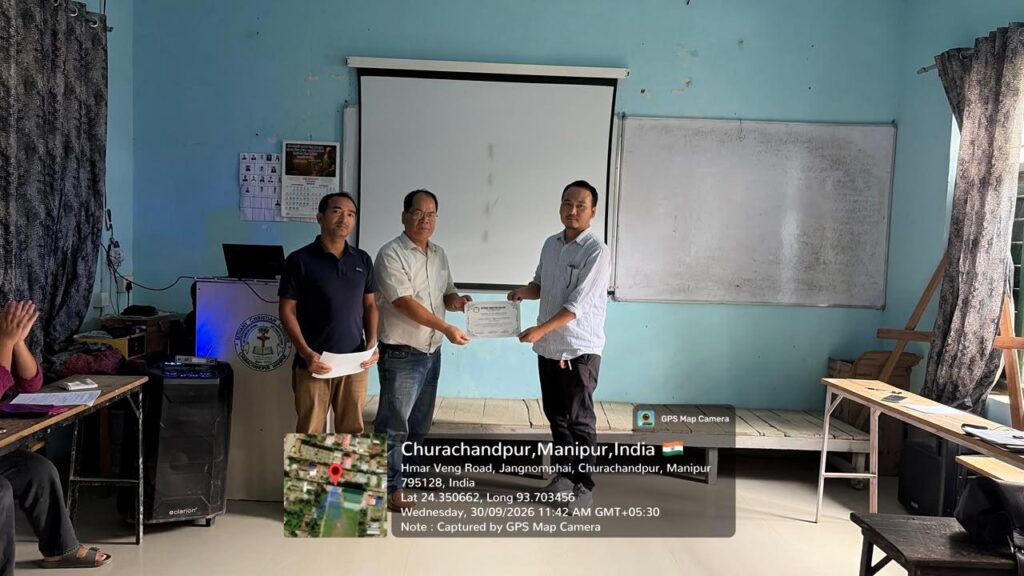
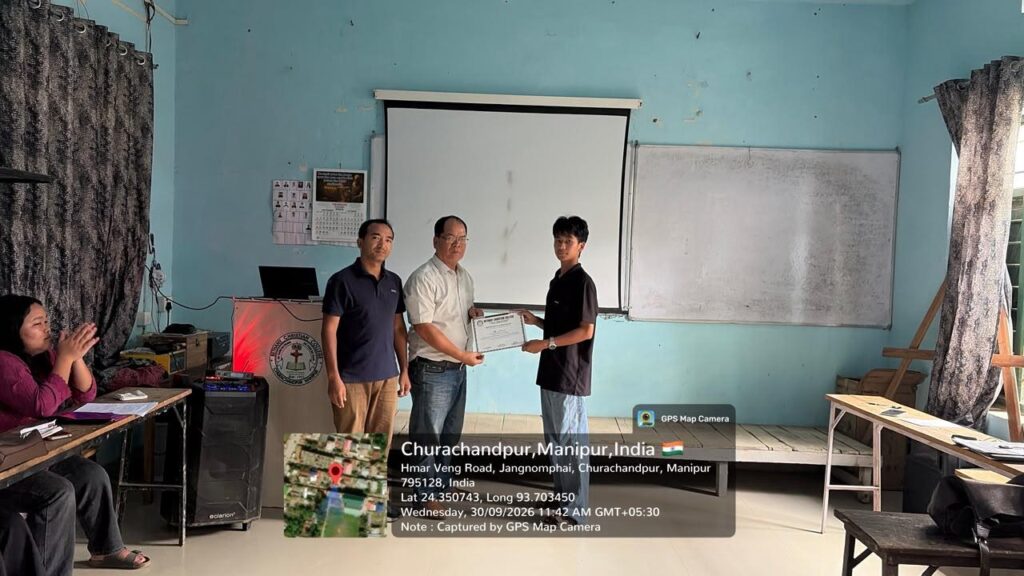
The formal programme concluded with a vote of thanks delivered by Asst. Prof. Kimneilhing Haokip. The vote of thanks acknowledged the contributions of the organisers, presenters, faculty members, students, and other participants who helped make the seminar possible.
Ms. Jacintha of the 3rd Semester served as the rapporteur and recorded the proceedings of the seminar. The programme concluded with a sense of academic participation and shared learning among the members of the department and the college community.
8. Major Outcomes of the Seminar
- Students received practical experience in preparing and delivering academic presentations.
- Participants were exposed to important themes in European and Indian intellectual and cultural history.
- The seminar encouraged communication, confidence, audience engagement, and academic discussion.
- Faculty and students interacted in a structured academic environment beyond the regular classroom setting.
- The programme contributed to the department’s efforts to promote scholarly awareness and co-curricular learning.
9. Overall Observation
The Departmental Seminar 2026 served as an academic and co-curricular platform for the History Department. The combination of scholarly presentations, student participation, cultural items, and institutional input created a balanced programme. The selected themes—The Renaissance and Vedic literature—also enabled participants to engage with historical and literary traditions from different contexts. Such departmental activities can help students develop academic curiosity, presentation skills, and a broader understanding of history and culture.
10. Conclusion
The Departmental Seminar 2026 of the History Department, Bethany Christian College, was successfully conducted on 30 September 2026 at the BCC Smart Room. The seminar provided a meaningful opportunity for students and faculty members to participate in academic and cultural activities. Through the presentations on the Renaissance and Vedic literature, along with the accompanying addresses and performances, the programme promoted knowledge sharing and student engagement. The seminar thus contributed to the academic and holistic development of the departmental community.
11. Programme Details at a Glance
| Institution | Bethany Christian College |
| Department | History Department |
| Programme | Departmental Seminar 2026 |
| Date | 30 September 2026 |
| Time | 10:30 AM |
| Venue | BCC Smart Room |
| Academic Topics | The Renaissance; Vedic Literature |
| Rapporteur | Ms. Jacintha (3rd Semester) |
Prepared by:
Mr. Ngamhou Baite, HoD
Department of History, Bethany Christian College
Date of Report: 30th of September, 2026.